
Winter - Ayurveda The body doesn’t need to be fixed. It needs to be heard — season by season. Part 2
Jan 30, 2026
Winter in Ayurveda is dominated by Vata (air + space) and, depending on climate, a dose of Kapha (earth + water). The gunas (qualities) of winter are: cold, dry, light, rough, subtle, mobile, and often dark or dull. You don’t need to have Sanskrit words for this — the body already knows these words. Cold joints. Dry skin. Light appetite, scattered hunger or possibly you reach for food constantly. Restless sleep. Thoughts that move faster than the body wants to.
Ayurveda’s core play is almost embarrassingly simple and very intelligent:
Like increases like; Opposites create balance.
So if winter is cold, dry, light and mobile, the medicine is not “more discipline” or “more effort.” The medicine is warmth, moisture, heaviness, stability, slowness, and rhythm.
Not as a correction. As a conversation with what is.
Think of the nervous system like a pendulum or one of those executive desk toys — the row of metal balls on strings. If you pull the first ball way back and let it smash through, the last one flies off with equal force. That’s what we tend to do with seasonal imbalances: we feel depleted, so we overcorrect. Superfoods. Extreme detox. Hard workouts. Hyper-optimised routines. We pull the ball too far.
Ayurveda works best when used with subtle actions. It says: don’t swing wildly to the other extreme. Just add enough of the opposite quality to bring the system back toward centre. Also, this takes tremendous listening and a few trials.
Not ascetic. Not indulgent. Responsive.
So in winter, the question becomes:
Where can I gently add:
- warmth instead of cold
- moisture instead of dryness
- grounding instead of scattering
- rhythm instead of chaos
- depth instead of speed
And crucially: how much is “just right”?
Ayurveda isn’t about imposing rules — it’s about cultivating interoception. Listening inward. Letting the body tell you when the pendulum is returning to centre.

Activities that add the opposites in winter
Winter doesn’t want bootcamp energy. It wants coherence.
Think:
- slower, more continuous movement (walking, gentle yoga, tai chi, swimming in warm water)
- longer exhalations in breath
- fewer transitions, more staying with things
- earlier nights, letting the mornings remain dark (use low lights in the house)
- repetitive rituals (same tea, same breakfast, same walk) — rhythm calms Vata
This is Not “do less because you’re lazy.”
Do less because the nervous system integrates more when it isn’t being yanked around.
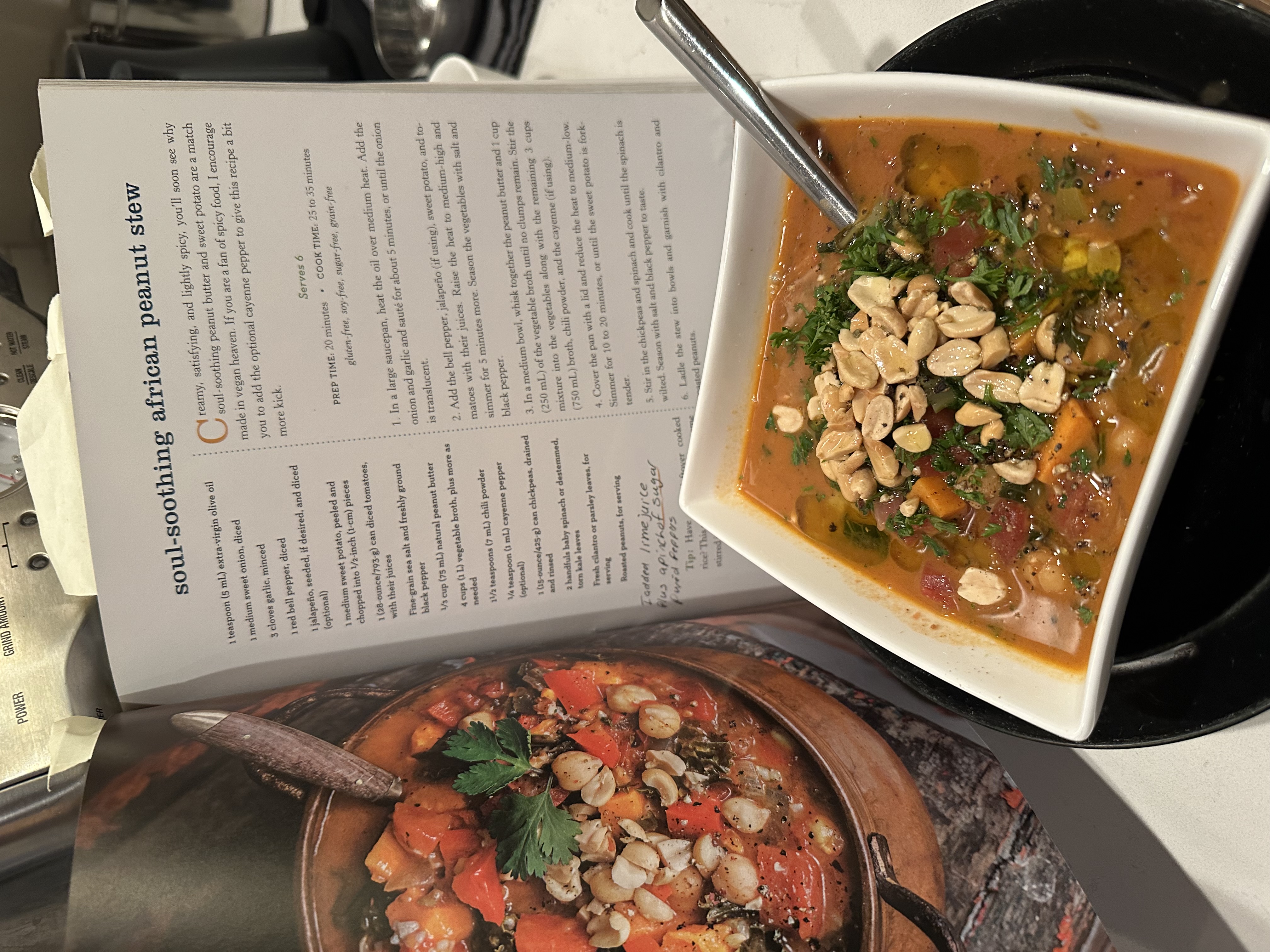
Food as physics, not morality
In Ayurveda, food is just condensed qualities.
Winter foods that add the opposite gunas:
- warm (soups, stews, porridges, roasted vegetables)
- moist (ghee, olive oil, sesame oil, broths)
- grounding (root vegetables, lentils, rice, oats)
- gently spiced (ginger, cumin, fennel, cinnamon, cardamom)
- Cooked instead of of raw
These aren’t “healthy foods.”
They are seasonally intelligent foods.
(Ayurveda always insists that we eat what we can digest. When you eat slower you can often sense if it feels like medicine or not. Don’t keep eating or doing a thing that sounds good but in practice is not your medicine)
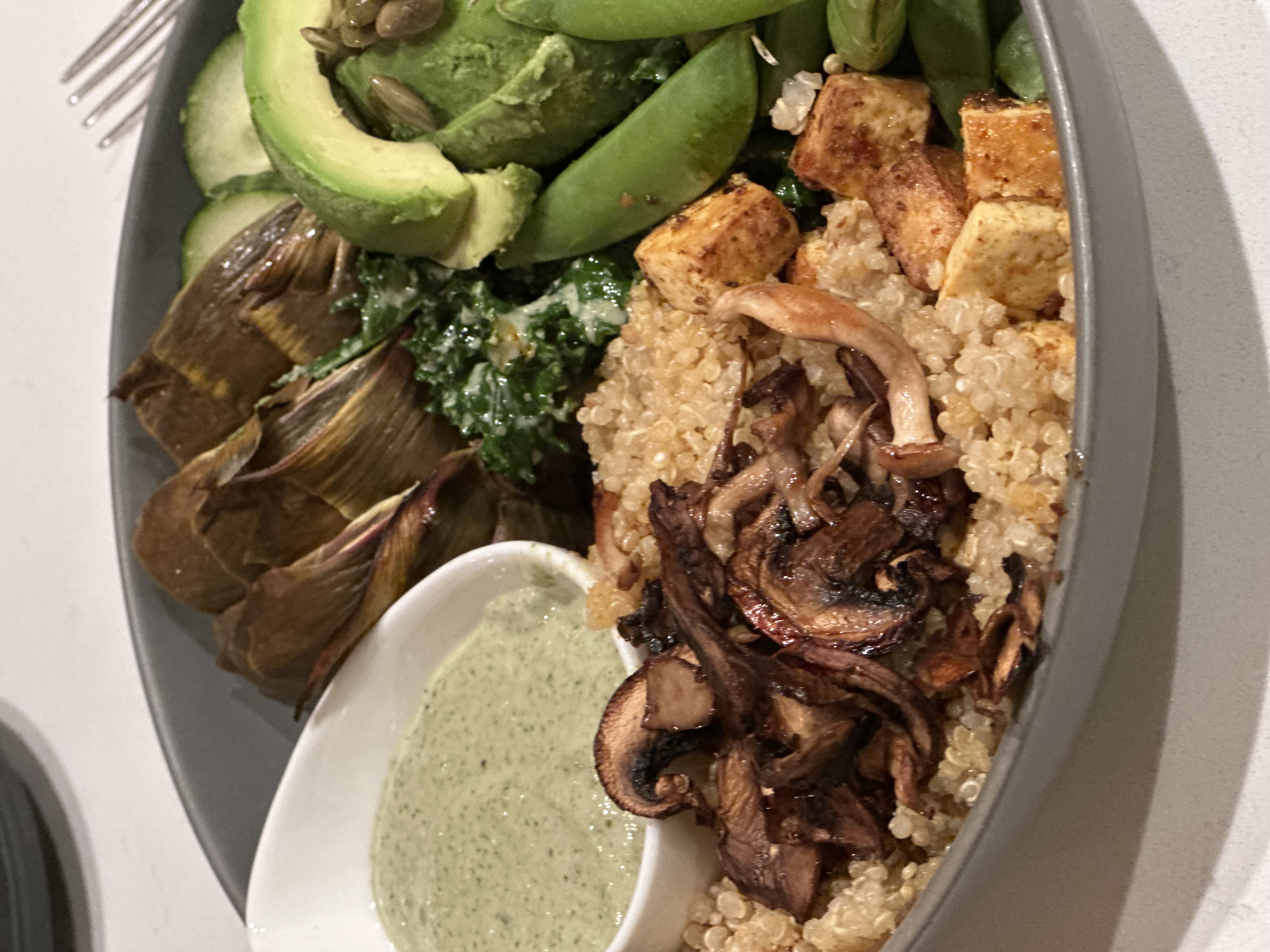
And again — don’t swing the pendulum too far. Not drowning everything in butter. Not living on sugar and starch. Just enough density and warmth to counter the environmental signal of cold and dryness.
What Ayurveda is really offering is a different relationship with regulation.
Not:
“I must control my body.”
But:
“I can collaborate with conditions.”
Winter becomes a teacher in non-violence (ahimsa):
- don’t force productivity when energy is contracting
- don’t starve dryness with more dryness (cold smoothies, raw salads, fasting)
- don’t try to “optimize” yourself out of being human
Instead:
respond with just enough opposite quality to restore ease.
Which is essentially your entire philosophy, in a different language:
- not preloading
- not bracing
- not over-correcting
- not smashing the pendulum to the other side
Just… listening. Adjusting. Rehearsing coherence.
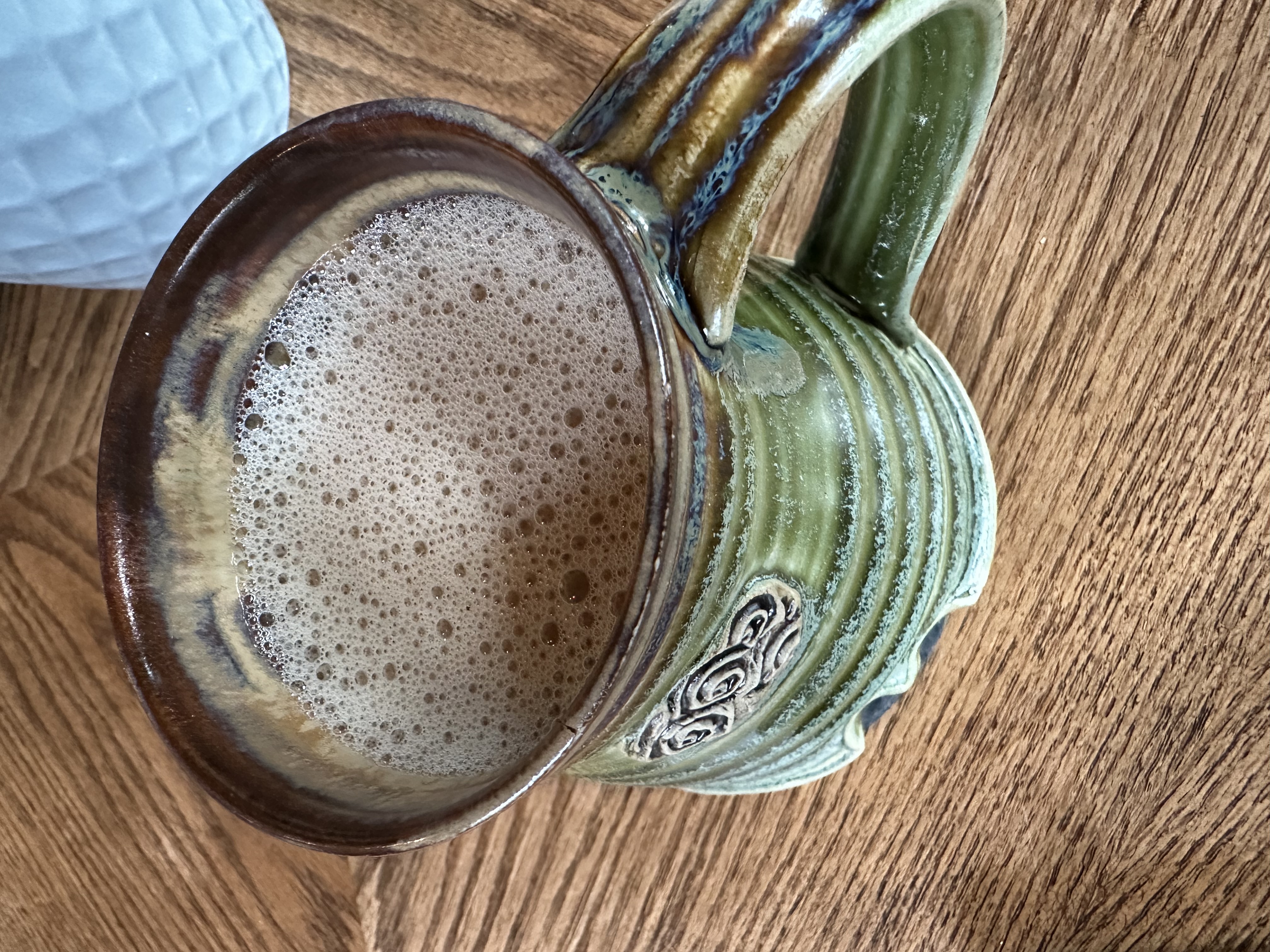
Winter isn’t a problem to solve.
It’s a state to meet with intelligence.
Balance isn’t achieved by extremes — it emerges through small, consistent, felt adjustments toward warmth, rhythm, and ease.
In winter, my personal practice shifts into something quieter, warmer, and more protective of energy.
- I keep the lights low in the morning and begin with abhyanga — sometimes a full oiling, sometimes just my feet.
- I reduce talking until after my yoga asana practice, letting my nervous system stay soft and inward for a while longer.
- My practice itself creates heat either through longer holds or through slow, rhythmic repetition like gentle sun salutations.
- I eat breakfast with a warm blanket on my lap.
- I take a slightly shorter walk before work.
- I keep my salon warm for myself and my clients, with more soothing music than usual.
- I often rest in shoulder stand or sit with tea in the salon before heading home to make dinner.
- I keep plenty of grounding foods on hand — partly because I love them, and partly because Colin works outside in Vata conditions all day.
- I still go for a night walk before bed, though I’ll shorten it if it’s cold or wet.
- I aim to be in bed by 10:00 (always wishing it was 9:30).
- I keep the lights low and do a short, simple yoga practice before sleep — ending the day the same way I start it: slowly, warmly, and on purpose.
*Note: Abhyanga is a traditional Ayurvedic self-massage practice using warm oil applied to the body, most often done in the morning before bathing or movement. The oil is gently massaged into the skin and joints to nourish the tissues, support circulation and lymph flow, calm the nervous system, and counter the qualities of dryness, cold, and mobility—especially helpful in Vata seasons like winter.
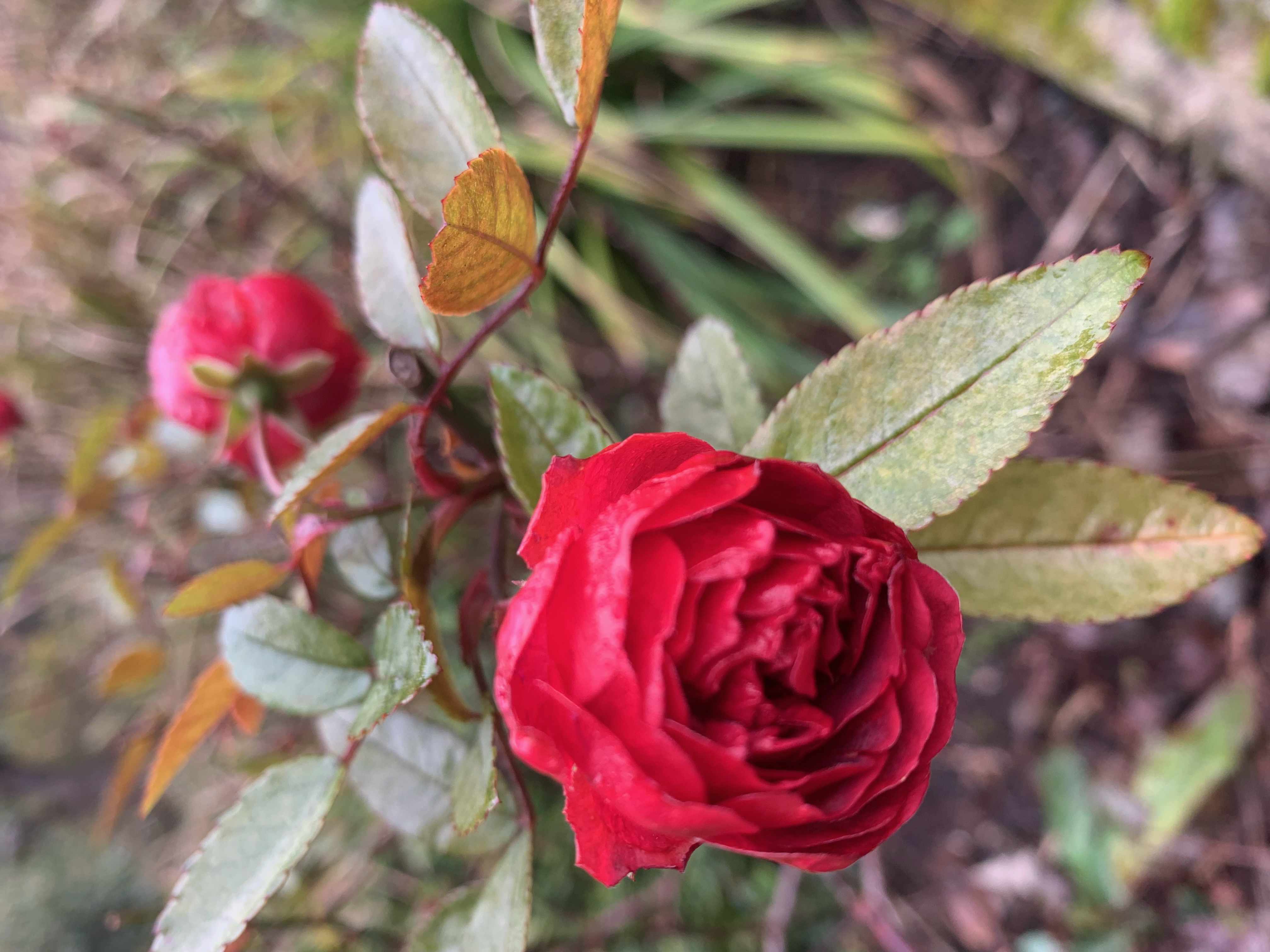
The unique juxtaposition of this rose growing in winter!
Stay connected with news and updates!
Join our mailing list to receive the latest news and updates from our team.
Don't worry, your information will not be shared.
We hate SPAM. We will never sell your information, for any reason.
